



In over 20 years of going to concerts, I’ve been to hundreds of shows, the majority of which were to see jam bands. Some people might think that could be the punchline to a joke, but it’s not, and that’s because jam bands provide a different kind of concert experience… one that leaves you always wanting more and FOMOing over the next show.
As I started thinking about why that was, I came to see a lot of commonalities between jam band concerts and immersive theatre. That also might sound like the punchline to a joke… but hear me out.
If songs are a jam band’s script, then one might say they tell the same story every time you see them. And while that might be true to a certain extent, they also never tell those stories in the exact same way or exact same order. That’s what got me thinking about how jam band concerts feel similar to the best immersive performances—when they create a true sense of wonder, excitement and anticipation for what comes next.
The first time this occurred to me was at a concert for my favorite jam band, Umphrey’s McGee, as they brought the first set to a close. A fun thing that they frequently do is to start a well-known song, then “jam it out” for a while—playing abstractly and meandering away from the driving rhythm of the familiar parts of the song—but then move on to a different song or close the set without returning to properly end the song. The fun part is that later in the set, when you least expect it, they’ll jump back in and eventually close the song.
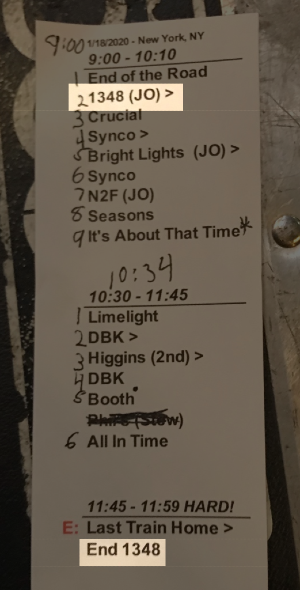
In this setlist example, the 2nd song they played that night was “1348.” Then they did an improvisational jam (indicated by (JO) which stands for “Jazz Odyssey”) and then didn’t come back to finish the song until the last song of the encore.
Let’s consider some of the strongest commonalities that I have observed from decades of concert and immersive theatre-going.
Seeing the Same Show More Than Once
Instead of playing the same set every night on tour, jam bands famously play a different set every night. When they play the same city multiple nights, knowing that many fans will attend all of them, the multi-day setlists are curated as if it were one long experience, careful to not repeat songs from night to night in a single city. They also bring special guests onstage for songs or sets, play a never-ending variety of covers, and play extended versions of their most popular songs by “jamming them out.”
Theatre doesn’t have the luxury of curating a different show every night by pulling from a deep repertoire of material like a jam band does. But it can invert that idea by giving the audience a choice about how they consume the show, presenting them with multiple “tracks” unfolding at the same time. The repertoire isn’t as deep as a jam band’s but it doesn’t need to be - a small handful of tracks is more than enough to create agency in the story and to create a little FOMO about the paths not taken.
The reason this approach is important for both jam bands and immersive shows is because it gives their relatively niche audience a reason to come back. It won’t pull repeat business from casual fans or first-timers, but the loyalists will yearn for more and if you give them a reason to, they’ll come back again the next night.
Those who’ve seen Sleep No More—which was said to require eight trips to catch everything—will be familiar with this concept. I never had the privilege, but it reminds me how I saw OddKnock Productions’ From On High three times and still missed certain parts.
Chasing Songs vs. Chasing a One-on-One
Chasing a song doesn’t mean hoping you get to hear your favorite song by a band the one time you see them when they tour through your city. It means seeing your favorite band multiple times a year (and into double digits over time) and never getting to hear a particular song–be it your favorite, or maybe it’s just a rarity. If it’s a deep cut, someone could even be “chasing” their song for decades!
And so when someone gets their song—whether it’s you or someone else in your group—it is a very special, magical moment. It’s pure joy to see so much hope and anticipation finally paying off in real time.
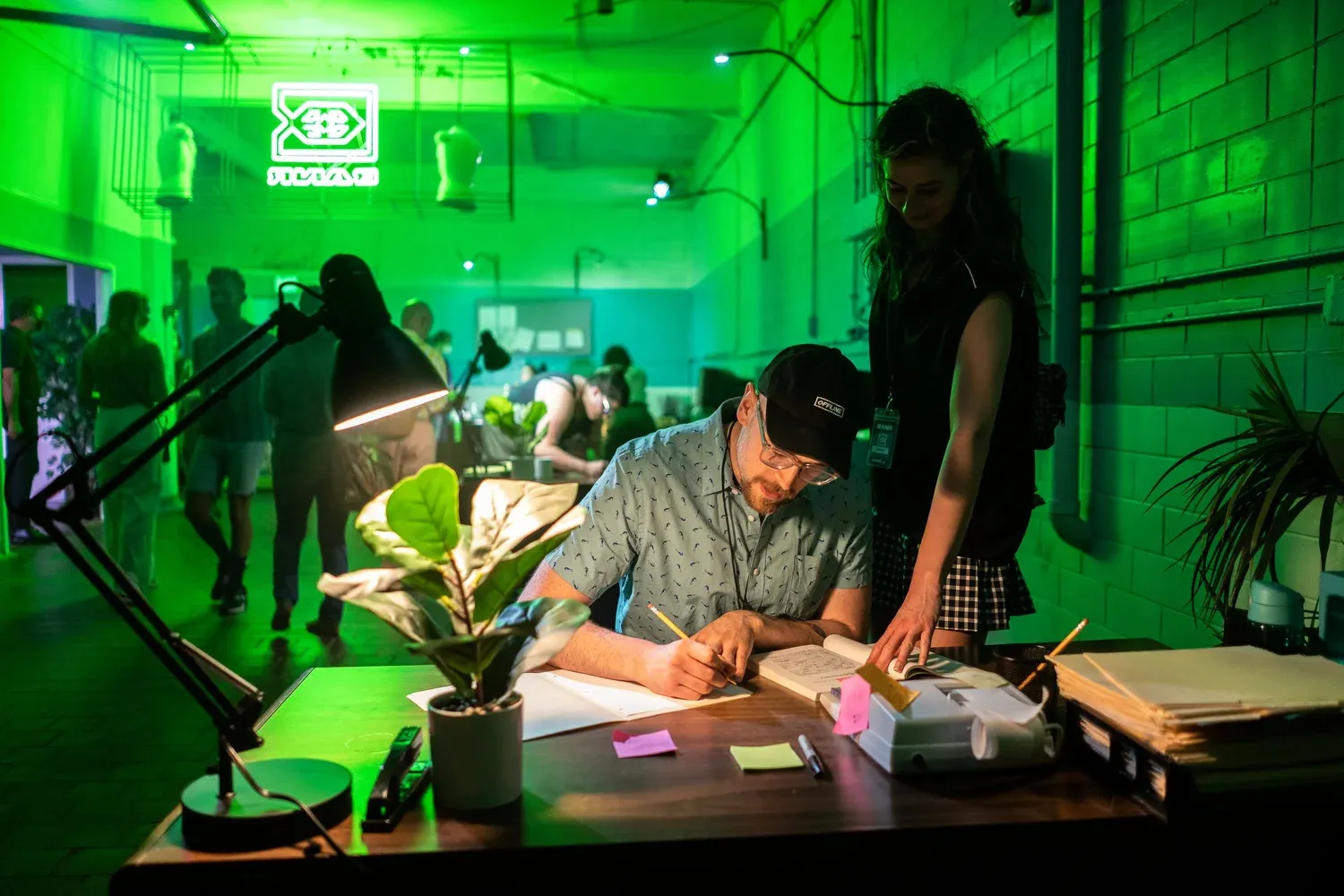
At immersive shows, the same force is at play when an audience member is selected for a one-on-one with an actor or finds their way into a sparsely-attended track that wasn’t necessarily designed to be a one-on-one, but feels like one anyways. Seasoned immersive-goers often seek out these special moments, but are not always chosen nor always in the right place at the right time. And so it leaves in them a sense of chase for the next one, driving some to see the same show multiple times in that pursuit, and becoming part of the fandom for long running productions.
What the fan is seeking, in both scenarios, is intimacy with the artist - a way to connect with the art on a deeper level. These magical moments, often hidden in plain sight, unlock special engagements that create vivid memories and strengthen the fan’s relationship with the musicians, actors or producers.
Extra Sensory Elements
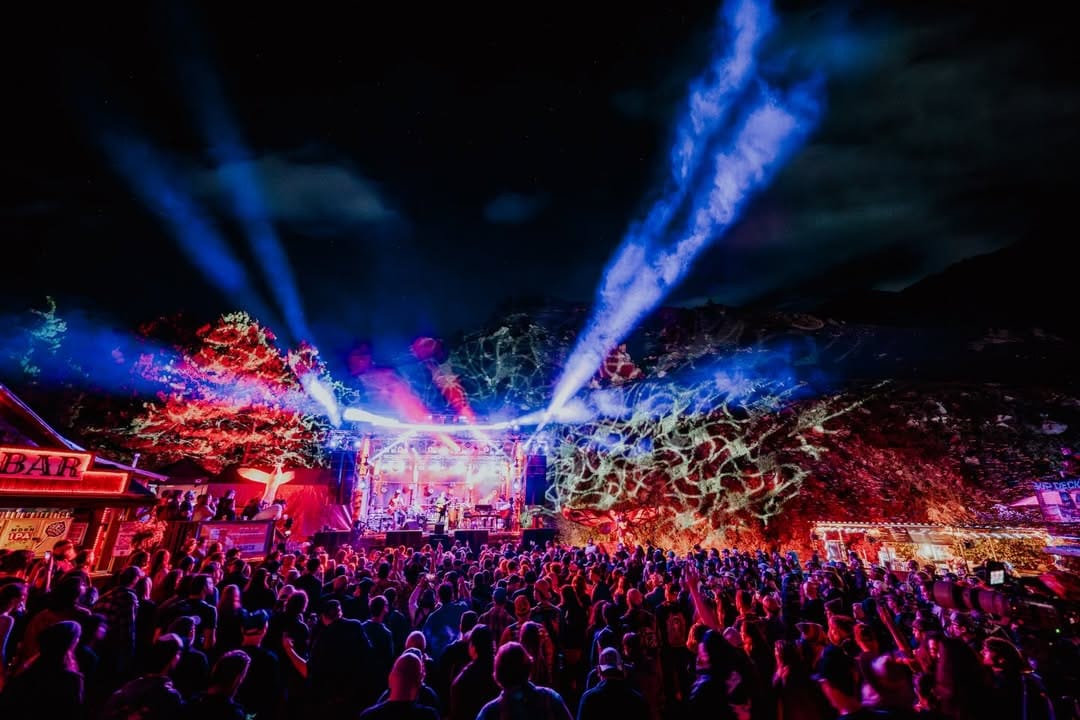
Jam band fans nerd out about a lot of things, not the least of which is the light show that accompanies the music. We learn the name of the band’s lighting director and follow them on Instagram to learn behind-the-scenes details about the tech and the theory, then we discuss and read about it afterwards in great detail on the band’s subreddit. The lights are a delightful extra sensory element that not only bring a jam band concert to life, but also helps distinguish shows from one another.
Lighting certainly has its role in curating the vibe of a theatrical production, but this is one area where theatre has an edge on live music because it’s an environment where the participants’ senses can be actively engaged by touch, smell, feel and even taste. Senses can also be heightened by taking them away, like sight (via blindfolds) or sound (via noise cancelling headphones).
These aren’t special effects; they’re sensual effects, and they’re essential to effective immersive design. Engaging the audience on these sensory dimensions helps temporarily trick their mind into believing what’s happening is real.
For example, when I walked into a kitchen during David Byrne’s Theater of the Mind and it actually smelled like apple pie, it felt warmer and more lived in than a sterile, fake kitchen. When I ate a miracle berry disguised as a pill in the club scene during the same show and then sucked on a lemon slice that tasted like sugar, it was a fun way to simulate tripping on drugs.
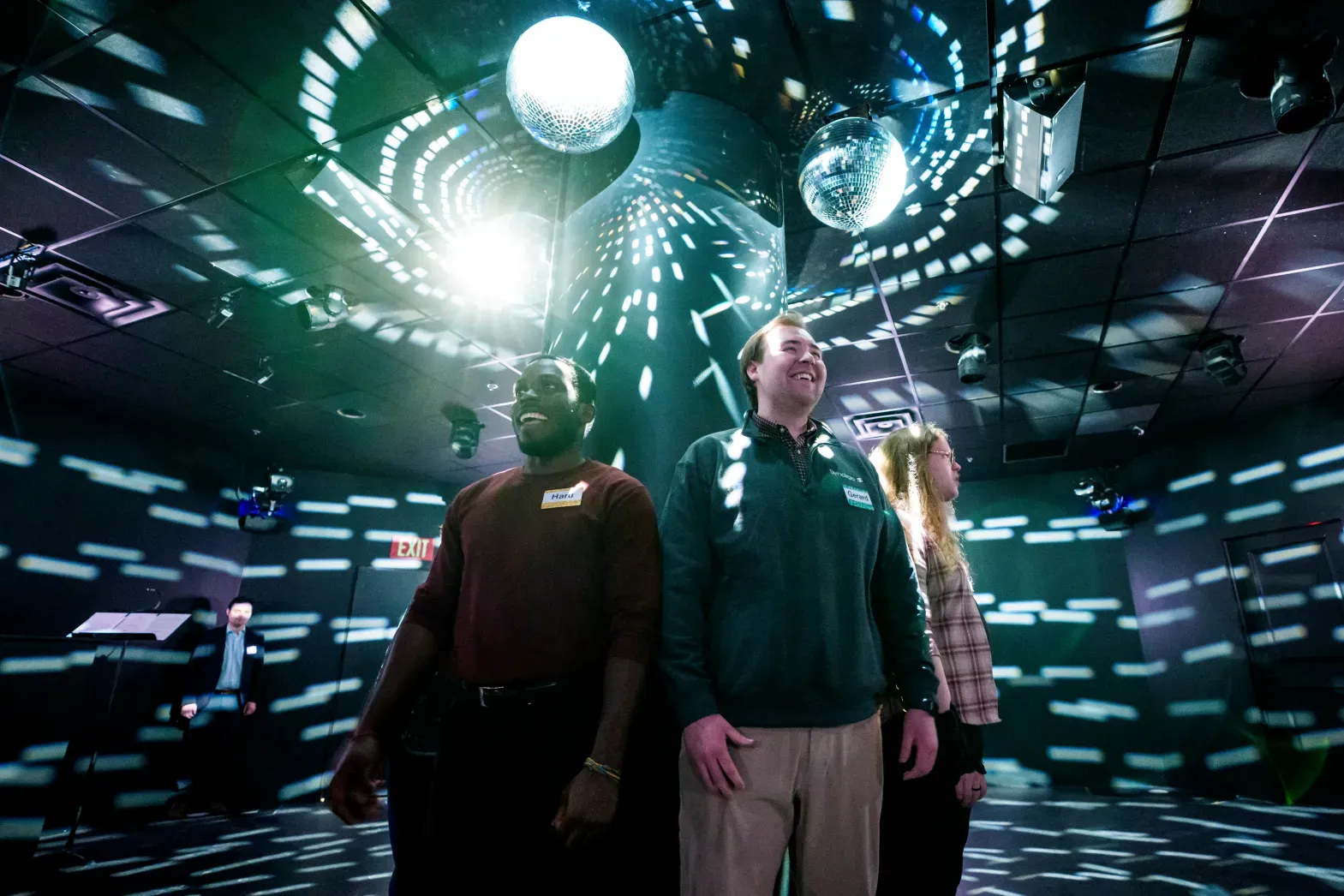
Which actually brings me to the elephant in the room surrounding jam bands: drugs. The culture of jam bands is very open and supportive of the use of psychedelics to enhance a show. Paired with the music and aforementioned intricate lighting rigs, it’s a stimulating experience, to say the least. Drugs are by no means a requirement to be at a show or to enjoy it, but many jam band fans consider it an essential part of the experience.
The point here is, engaging the senses—both in theater and live music—can have a transformative effect, which in turn makes the experience more memorable, further contributing to the sense of fandom and affinity for the artists.
Traveling for Shows
The idea of traveling for concerts conjures images of dirty hippies with no jobs living out of vans and buses following a band across the country. But that’s an outdated stereotype. The modern jam band fan still travels for shows, but in a much more strategic and savvy way. We’re buying tickets for a three night run at Sphere in Vegas. We’re flying across the country to see the band’s New Years Eve shows. We’re buying tickets for the music festival the band is headlining on a cruise to The Bahamas. There are even some really hardcore jam band fans who do an updated version of that old hippie stereotype by going on their own mini tour every summer, like this Phish fan is trying to explain to her husband. The point is - we’re not just seeing them when their tour stops in our city. We’re planning our recreational travel around where and when our favorite band is playing.
In almost every case, the best immersive productions are site-specific, making travel more of a necessity than a luxury when it comes to immersive theatre. It would take more than two hands to count everyone I know who traveled to New York to see Sleep No More when it was still running. A friend of mine hopped a plane to LA when she heard a permanent immersive experience she’d always wanted to see was closing.
Fans of immersive theatre stack up shows and experiences when they find themselves visiting hotspots like New York or LA. Rarer, but still common (especially for smaller niche audiences like extreme immersive horror), someone might book a trip to a specific location just to see a particular show. Maybe they’re loyal fans of the producers. Maybe they crave the novelty of something about that particular experience. Whatever their reason, just like a jam band fan, hardcore immersive fans are planning recreational travel around where and when the shows they want to see are playing.
Costumes
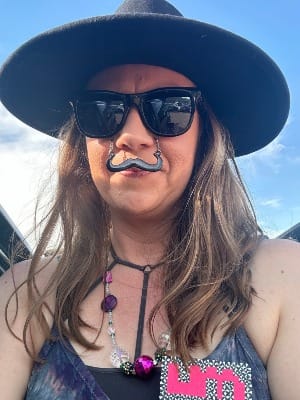
The jam scene (and its cousin EDM) are the only types of concerts where it is guaranteed that no one bats an eye at an elaborate costume or whimsical outfit accessory. I’m talking about something much bigger and more eye-catching than a goth going ghost white or a pop fan cosplaying the headliner’s signature look. These are full-blown costumes you might wear out for Halloween. It could be a jacket that lights up with LEDs or a cape that turns into fairy wings. I have a pair of mustache sunglasses that I wear to every Umphrey’s McGee show, but I don’t know why; there typically is no rhyme or reason to jam band costumes other than to be silly and bring other concert-goers joy as a form of self expression.
In the world of immersive theatre, it is not always just the actors who wear costumes. Some productions directly invite their guests to dress on-theme for the show as a way of ushering them into their interactive audience roles. Masquerade, the immersive Phantom of the Opera production that has taken New York City by storm, has a strict dress code that has guests arriving for a night at the opera. Las Vegas’ Prom Night ‘99 gave patrons an excuse to dress up in the 90’s best. Others may be less explicit but still find guests naturally inclined to match their wardrobe to the occasion. Whether at the concert hall or the theatre, it’s a way of signaling “I belong here.” Not because it’s a threatening environment or you need to prove anything, but because it’s fun and playful and creates a sort of automatic bond with your fellow costumed compadres.
Fandom At Its Finest
All of these things aren’t so much essential elements of good theatre and live music as they are symptoms and effects of true fandom. Any quick review of Comic Con, gaming convention, or anime expo on social media will see how far fans take cosplay, both literally – in terms of how far they travel for the event – and figuratively in terms of how elaborate their costumes get.
I think what’s important for any creative to remember is that once their art achieves a certain level of “fandom,” these sorts of rituals and habits will naturally develop around the enjoyment of the work. They can’t be forced; they just happen organically, and then become institutionalized among the fans.
What can be cultivated, though, is a relationship with your most devoted fanbase. Find the ones who will go to great lengths - and spend great money - for regular, continued access to the art, and then create special opportunities to support their fandom rituals in unique and novel ways. This embrace of fan customs leaves supporters feeling seen, and therefore more deeply connected to the artist and their work.
Which is, after all, the whole point, right?
Discover the latest immersive events, festivals, workshops, and more at our new site EVERYTHING IMMERSIVE, home of NoPro’s show listings.
NoPro is a labor of love made possible by our backers. Join them today and get access to our Newsletter and Discord!
In addition to the No Proscenium website and our podcast, and you can find NoPro on Bluesky, Facebook, LinkedIn, YouTube, Instagram, and in the Facebook community also named Everything Immersive.


Discussion